Add Row
Add Element
cropper
update

CashCast TV

Your Wallet’s Favourite Channel

cropper
update
Add Element
update

CALL US

0138 490 1505

Add Element
update

EMAIL US

cctv@dylbo.com

Add Element
update

WORKING HOURS

M-F: 10am-4pm

Add Element

Add Element
  • Home
  • Categories
    • Budget Hacks
    • Debt Solutions
    • Mortgage Tips
    • Savings Boost
    • Tax Savvy
    • Frugal Living
    • Investment Basics
    • International Impact
Add Element
  • update
  • update
  • update
  • update
  • update
  • update
  • update
September 05.2025
3 Minutes Read

Will Angela Rayner's Tax Row Bring Down the UK Deputy PM? An Ethical Dilemma Unfolds

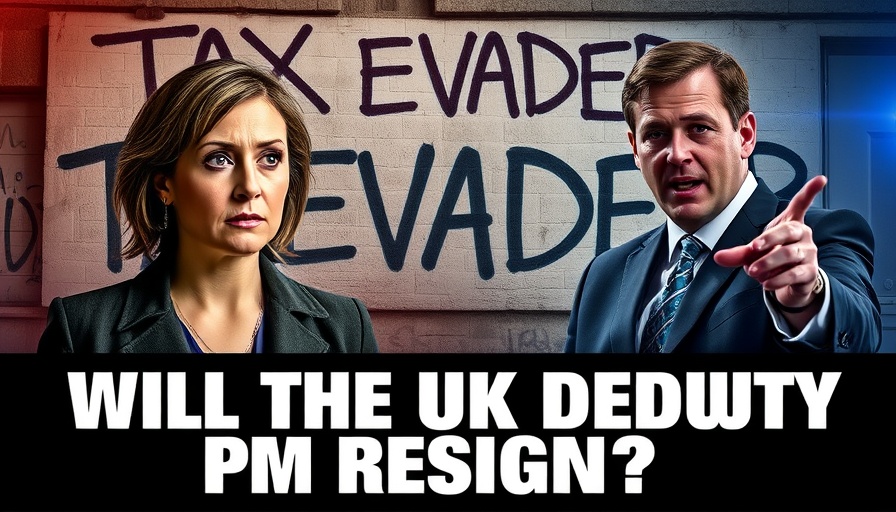
Angela Rayner tax row: Deputy PM resignation question on news graphic

Unfolding Scandals: Angela Rayner and the Ministerial Code

The recent controversy surrounding UK Deputy Prime Minister Angela Rayner has raised significant questions regarding the integrity of public office and accountability, particularly in a taxing climate where citizens are scrutinizing every pound spent. Rayner's admission that she underpaid stamp duty on a property purchase, citing erroneous legal advice, has sparked discussion, not only about her tax obligations but about the broader implications of government transparency in the light of the ministerial code. The ministerial code—a set of principles providing direction on the ethical conduct of ministers—could play a pivotal role in determining her fate, as Prime Minister Rishi Sunak navigates this politically sensitive dialogue.

In 'Will the UK Deputy Prime Minister Angela Rayner resign over tax row? | BBC Newscast', the discussion dives into the intricate issues of accountability within the UK government, prompting us to analyze its wider implications on public trust and political ethics.

The Relevance of the Ministerial Code

For many in the UK, the ministerial code serves as a beacon of hope for accountability amongst public officials. It provides the necessary framework for understanding what is considered acceptable behavior within the upper echelons of government. The current discussion surrounding Rayner highlights a tension between transparency and the political maneuvering typical of Westminster. Should a minister be found guilty of breaking the code, the prime minister must candidly answer whether the established standards will be upheld or flouted. Sunak's tepid responses to this key inquiry have led to criticism reminiscent of former Prime Minister Boris Johnson’s evasive tactics. This pervasive ambiguity creates skepticism within public trust and leads to concerns over a governmental system that appears reluctant to enforce high standards of conduct.

Public Backlash: A Growing Concern

As families across the UK grapple with the ramifications of rising living costs and tax increases, the notion of a Deputy Prime Minister evading financial responsibilities by underpaying taxes creates an emotional uproar. For the public, it’s not just about Angela Rayner but how such allegations reflect deeper systemic issues. Social media campaigns, graffiti denouncing her as a “tax evader,” and a sharp increase in public discourse illustrate how issues of trust and integrity affect everyday citizens—especially those feeling the pinch of the cost-of-living crisis.

Anticipating Political Developments

The key question now looms: what will happen next? The independent advisor on ministerial standards, tasked with investigating Rayner’s conduct, is expected to report soon, marking a critical juncture in this saga. The outcome could redefine not just Rayner’s career, but the broader political landscape, potentially swaying public opinion ahead of the upcoming elections. Political analysts argue that if Rayner remains in her position, it may embolden other officials to disregard ethical guidelines, swinging the public's trust further towards frustration and skepticism.

The Broader Context: Political Ethics in Transition

This incident comes at a pivotal time in UK politics, where longstanding questions of ethics and governance are increasingly under the microscope. With parties recognizing the urgent need to engage with citizens’ discontent over financial equity, any perceived hypocrisy could threaten voter engagement and party loyalty. Therefore, it is not just a matter of individual conduct but a reflection of a government grappling with its voter base's expectations as the cost of living swells.

Our Responsibilities as Citizens

As citizens, it is important to dissect these complex situations critically. We must hold our leaders accountable while simultaneously recognizing the systemic issues at play. The outcry from the public is an invitation to engage more meaningfully with the political process, urging individuals to cultivate a more informed voter base that demands transparency and ethical governance.

Local vs Global Perspectives: A Shared Responsibility

While the implications of this event are intra-national, they reflect a larger narrative seen globally—issues of accountability, ethics, and political integrity cross borders, affecting trust in systems of governance everywhere. The political landscape is shifting; thus, we must advocate for change from the ground up, supporting candidates who prioritize transparency.

In summary, the Rayner situation underscores a crucial junction for the UK: not only as she faces criticism, but as the nation collectively wrestles with the implications of leadership choices made in the public square. Restoring trust and ensuring accountability is essential in this fragile economic climate.

International Impact

6 Views

0 Comments

Write A Comment

*
*
Related Posts All Posts
01.22.2026

How to Stop TV Licensing Letters: A Guide for Budget-Conscious Families

Update Understanding TV Licensing in the UK In the UK, the television licensing system serves as a way for the government to fund the British Broadcasting Corporation (BBC). Every household watching live television or using BBC iPlayer must hold a valid license. However, the rising costs and perceived unfairness have led many to seek ways to stop receiving incessant TV licensing letters, particularly among budget-conscious individuals. In this article, we will explore practical strategies to help consumers become informed and empowered, while potentially saving money amidst the increasing living expenses.In 'How to STOP TV Licensing Letters for GOOD', the discussion dives into effective strategies for individuals seeking financial relief, exploring key insights that sparked deeper analysis on our end. Rising Costs and the Need for Change As many UK families grapple with rising costs, the topic of unnecessary expenses takes center stage. The cost of a TV license can feel burdensome, especially in a landscape where every penny counts. Understanding how to handle unwanted licensing letters can alleviate some stress and contribute to overall financial wellness. For anyone aged 25-45, especially families trying to navigate these financial waters, knowing the steps to take can be empowering and a great way to reclaim some control over household budgets. Exploring the Options Available So, what are the ways to stop TV licensing letters? There are a few strategies one can consider: Formal Withdrawal from TV Licensing: If you no longer watch live television and have no intention to use BBC iPlayer, informing the licensing body can be an effective method to stop letters. Documentation may be required. Seeking Exemptions: If your household qualifies, you may be eligible for exemptions based on disabilities or age. Understanding these criteria is crucial to potentially saving on license fees. Legal Rights Awareness: Familiarizing yourself with your rights regarding TV license enforcement can help protect you from aggressive mailing practices. Knowing what constitutes a legal requirement can give you peace of mind. How to Take Action: Practical Tips If you’re looking to take action, here are practical, step-by-step insights for individuals and families: Assess Your Viewing Habits: Assess how you consume content. If you primarily stream from services that don’t require a license, ensure you communicate that to the relevant authorities. Follow Up: If you opt to withdraw or claim exemption, make sure to follow up until you receive confirmation that you are removed from their mailing lists. Stay Documented: Keep records of all communications you send regarding your license status. Having a paper trail can be advantageous if disputes arise in the future. Lessons from International Perspectives Examining television licensing in a broader context reveals significant differences between countries. For instance, in many parts of Europe, public broadcasting funding takes on varied forms — from direct taxation to subscription models. Understanding these alternatives can help UK audiences appreciate the arguments for and against licensing fees, discovering potential future trends in how media could be funded. Conclusion: Take Charge of Your Finances For anyone feeling the pinch of rising living costs and endless TV licensing letters, understanding how to address this issue can lead to greater financial freedom. Engaging with the system knowledgeably not only helps in the moment, but it fosters a sense of control over your financial future. Don’t hesitate to explore these options, and share them with friends or family who might be facing similar challenges. By proactively addressing these letters and identifying ways to minimize unnecessary costs, you can contribute to a more financially secure household.

01.22.2026

Exploring The Pendragon Cycle: A Survival Guide for Modern Families

Update The Rise of Fantasy and Its Influence on Culture In today’s society, where individuals often seek escapism amid challenging times, the resurgence of fantasy series such as The Pendragon Cycle: Rise of the Merlin offers more than merely entertainment. It acts as a cultural touchstone, reconnecting audiences with age-old legends like Camelot, Merlin, and Excalibur. As we navigate a world laden with economic uncertainties, this series serves as both a refuge and a reminder of the historic narratives that shape our collective identity.In 'The Pendragon Cycle: Rise of the Merlin,' we explore themes of renewal and transformation, highlighting discussions relevant to today's economic landscape. The Pendragon Cycle and Its Significance The Pendragon Cycle spans a 7-part epic, weaving tales of heroism and redemption within a richly developed fantasy world. At its core, it tells of one man's conversion that sparks the rebirth of a civilization. Such narratives resonate deeply with viewers who are facing their apprehensions concerning the future. The idea of transformation and renewal encapsulated in this series reflects many viewers' desires for a fresh start amidst rising living costs and societal shifts. Cultural Reflections: Arthurian Legends Revisited The stories of Arthurian legends, including the timeless tale of the Sword in the Stone, serve as a metaphor for the struggles inherent in modern life. These are age-old themes presenting relatable conflict and resolution, the essence of what audiences crave today as they seek inspiration from heroic triumphs in a world often fraught with challenges. Connecting Families: The Value of Shared Entertainment For budget-conscious families, finding accessible forms of entertainment is crucial. Streaming series such as The Pendragon Cycle not only provide engaging content but also foster family bonding moments. Watching epic sagas together can become a tradition, creating shared experiences that strengthen familial ties without necessitating excessive spending. In an era when financial resources are tight, understanding the value of free or low-cost entertainment can position families to navigate their budgets more effectively. Broader Implications: How Fantasy Reflects Current Issues Beyond personal escapism, the themes addressed in The Pendragon Cycle reflect contemporary issues such as governance, leadership, and morality. As viewers delve into the intricacies of their characters' choices, they often draw parallels to current events—whether it be political strife, economic instability, or social debates. The series cleverly encapsulates the human condition, prompting viewers to reflect on their values and the societies they inhabit. Merlin's Teachings: Learning from Fiction As Merlin's wisdom guides the narrative, it presents opportunities for viewers to apply learned lessons within their own lives. The philosophical insights and moral dilemmas faced by characters can propel families into meaningful discussions, exploring values such as honor, courage, and resilience. These lessons might encourage budget-conscious viewers to better manage their finances and consider investing in their futures. In conclusion, “The Pendragon Cycle: Rise of the Merlin” does more than entertain; it invites audiences on a journey of renewal, cultural reflection, and moral exploration. By embracing both the escapist element and the deeper meanings behind these narratives, families can forge a sense of community while facing today's challenges head-on. With its mix of adventure and moral exploration, the series can inspire families to not only dream of a better future but also equip them with the tools to attain it, encouraging the pursuit of shared values in an era of uncertainty.

01.22.2026

How Trump's Davos Speech Affects Budget-Conscious Families in the UK

Update Understanding Trump's Impact at Davos In a recent appearance at the World Economic Forum in Davos, former President Donald Trump made headlines with his strong statements that elicited varied responses, particularly from those concerned about the global economy. This gathering, known for high-profile discussions among world leaders and influential figures, provided a platform for Trump to voice his views on economic policies, international investments, and the challenges facing working families.In 'The Most Horrific Thing I've Attended' | Trump at Davos Reaction, the discussion dives into Trump's economic positions, exploring key insights that sparked deeper analysis on our end. What This Means for Budget-Conscious Families For many in the UK, especially those aged 25 to 45, the implications of Trump's remarks resonate deeply as they navigate the rising costs of living. Issues such as inflation, housing prices, and the cost of everyday essentials have penetrated budgets, making economic conversations—like those happening at Davos—feel distant yet profoundly relevant. Insights from Trump’s speech might impact investments that could benefit ordinary families trying to stretch each pound. Tips for Weathering Economic Uncertainty While discussions at global forums may seem irrelevant to everyday lives, they can offer valuable insights into how to approach budgeting in uncertain times. Here are a few actionable strategies that can help families maintain financial stability: Create a Flexible Budget: Adjusting your spending plan to be more flexible can help accommodate unexpected expenses, whether due to rising prices or personal circumstances. Focus on Savings: Prioritizing a savings buffer can help manage any upcoming economic fluctuations and safeguard against potential job instability. Invest Wisely: Understanding market conditions based on global discussions can aid in making informed choices about investments that align with your financial goals. The Global Economy: Local Effects The world is interconnected; events like those at Davos can indirectly change local economies. For instance, trade policies proposed by influential leaders can affect pricing and availability of goods in the UK. In staying informed about international economics, families can better anticipate changes at the local grocery store or in their mortgage rates. Counterarguments: The Other Side of Davos While Trump’s words may have resonated with some, they also drew criticism. Many argue that his approach does not address the deeper systemic issues impacting the middle and lower classes. Understanding these contrasting viewpoints is essential for families aiming to develop a well-rounded perspective on financial news. Options such as community resource programs or local initiatives may offer more direct benefits to budget-conscious households than the top-down solutions discussed at such summits. This brings to light the importance of local versus global thinking when strategizing finances in an unpredictable economic climate. In conclusion, the economic strategies and views discussed at gatherings like Davos can provide insights and a roadmap for families feeling the weight of rising costs. Implementing thoughtful budgeting practices and staying informed will empower individuals to navigate these challenging times effectively. Understanding how global discussions affect local economies can help families adapt while seizing opportunities to save. For budget-conscious individuals and families in the UK, every insight matters as they seek to thrive amid financial challenges.

Terms of Service

Privacy Policy

Core Modal Title

Sorry, no results found

You Might Find These Articles Interesting

T
Please Check Your Email
We Will Be Following Up Shortly
*
*
*