Add Row
Add Element
cropper
update

CashCast TV

Your Wallet’s Favourite Channel

cropper
update
Add Element
update

CALL US

0138 490 1505

Add Element
update

EMAIL US

cctv@dylbo.com

Add Element
update

WORKING HOURS

M-F: 10am-4pm

Add Element

Add Element
  • Home
  • Categories
    • Budget Hacks
    • Debt Solutions
    • Mortgage Tips
    • Savings Boost
    • Tax Savvy
    • Frugal Living
    • Investment Basics
    • International Impact
Add Element
  • update
  • update
  • update
  • update
  • update
  • update
  • update
May 07.2025
3 Minutes Read

How to Achieve Your Savings Goals Like Mama Bear: Insights from April's Budget

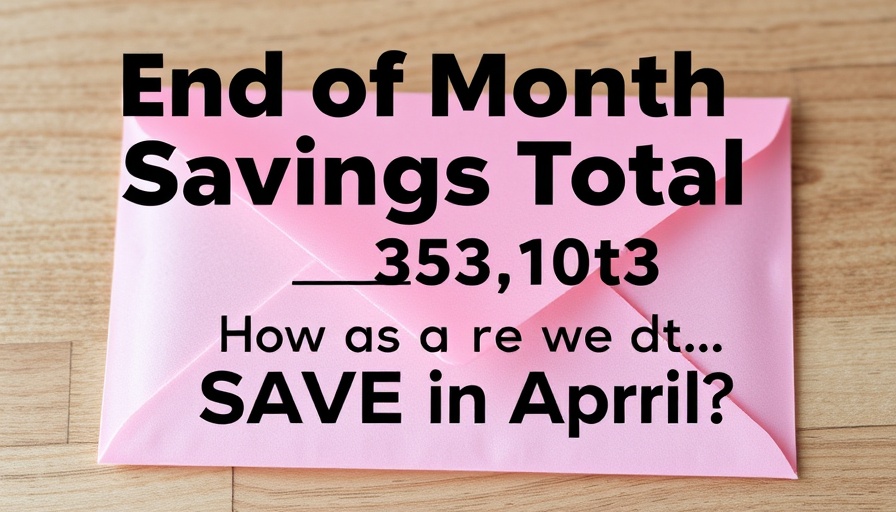
April savings challenges on pink envelope with text overlay.

A Budgeting Journey: Celebrating Wins and Learning Experiences

In recent months, many individuals have begun to recognize the importance of budgeting, especially amid economic uncertainties. A fascinating video titled End of the Month Savings Total for APRIL | It's a BIG ONE!!! presents a candid look into the budgeting efforts of a content creator who shares her challenges and victories in savings throughout the month of April. For those looking to grow their wealth and priorities financially, understanding such experiences can serve as motivation and offer practical insights.

In End of the Month Savings Total for APRIL | It's a BIG ONE!!!, the discussion dives into budgeting efforts, exploring key insights that sparked deeper analysis on our end.

Why April’s Budgeting Matters

April, for many, is the onset of financial spring—an opportunity to refresh goals and reassess spending habits. In the discussion highlighted in the video, Mama Bear, the channel’s host, reveals that she saved a staggering $7,470 throughout various savings challenges. The excitement in her tone illustrates how she navigated through her tasks, affirming that financial prudence IS an achievable goal for anyone willing to engage.

The Importance of Tracking Savings

In budgeting, keeping track of savings is more than just a task; it is a declaration of intent and care for one’s future. Mama Bear opens her pink envelope filled with savings and describes the specific challenges she undertook. Among them were the beloved ‘5K savings challenge’, which she allocated towards her high-yield savings account, earning interest that can exponentially contribute to her financial security over time. This aspect illustrates a unique way of engaging with money—seeing it not just as currency, but as seeds planted for future growth.

Empowering the Community through Shared Experiences

The personal finance community thrives on sharing experiences and practical tips. For example, Mama Bear’s genuine delight at receiving ‘happy mail’—decorative budgeting supplies—highlights the connection between practical budgeting and personal gratification. When those in their 20s to 40s explore budgeting as a community, it fosters motivation and encouragement. In sharing victories, they reap the benefits of collective knowledge, thus bolstering their confidence in managing finances.

Recognizing Achievements—No Matter How Small

Celebrating small milestones in budgeting plays a crucial role in enhancing personal finance habits. Whether it's achieving the end of a savings challenge or simply sticking to a budget, these accomplishments deserve recognition. In the video, Mama Bear reflects on the cumulative impact of all the smaller savings—despite feeling daunted by the significant totals, she found joy in the act of saving itself. This mindset shift can be a game-changer for young workers; recognizing that every bit adds up and promotes ongoing commitment towards financial goals.

The Path Ahead: Budgeting Beyond April

Understanding that budgeting is a continuous journey helps potential savers plan ahead beyond just one month. Mama Bear hints at next month’s challenges, encouraging viewers to carry forward the excitement and momentum gained in April. This mindset can help inform new investors about the necessity of adapting to ongoing financial conditions, as flexibility can often mean the difference between success and stagnation.

Savvy Tools for Effective Budgeting

Utilizing practical tools can enhance the budgeting experience. Budget trackers, planners, and cute motivational clips can transform the mundane task of budgeting into an enjoyable session that encourages regular engagement. Mama Bear’s use of various budgeting supplies underlines the idea that effective budgeting doesn’t have to be boring; it can incorporate creativity and personal symbols of success.

In conclusion, the journey through budgeting, as shared by Mama Bear, underscores the benefits of recognizing and celebrating savings. As young workers in the UK look to grow their wealth, they can take inspiration from this engaging tale of savings and apply it to their financial strategies. The end of one month can also signify the beginning of new goals, and there’s no better time to start than now! So gather your resources, set your budget, and make every pound count towards a brighter financial future.

If you're inspired by Mama Bear’s story and want to enhance your financial literacy, consider exploring more budgeting videos or financial blogs to deepen your understanding and keep your momentum going!

Investment Basics

1 Views

0 Comments

Write A Comment

*
*
Related Posts All Posts
12.07.2025

Discover How Community Savings Initiatives Like 'Village Hop' Can Boost Your Finances

Update How Community Savings Initiatives Can Transform Your Financial Future In these challenging economic times, many young adults are seeking innovative and collaborative ways to save money and invest in their future. The 'Village Hop' initiative, as discussed in the recent video hosted by Budget with Mama Bear, highlights the power of community in financial management. By bringing together various channels to share savings tips and challenges, this initiative not only fosters a supportive community but also encourages personal financial growth.In 'Village Hop | Let's Save Money Together!', the discussion immerses us in the world of community-focused savings initiatives, exploring key insights that sparked deeper analysis on our end. Engaging with Community: Why It Matters When individuals engage in community savings initiatives, they experience a powerful connection that extends beyond simple financial metrics. The psychological benefits of shared goals can lead to increased motivation and accountability. In Budget with Mama Bear's video, participants are encouraged to interact and share their successes, making the process more enjoyable and less isolating. Such environments allow members to celebrate achievements—whether it's saving a specific amount of money or successfully budgeting for a significant life event. Exploring Different Approaches to Saving The idea behind the Village Hop is to create a wide net of diverse saving strategies, making it accessible to a variety of individuals. For instance, participants are prompted to set different savings amounts on specific days. In the video, Mama Bear reveals the approach of deducting small amounts regularly—from just six dollars one week to larger goals as the month progresses. This gradual increase can help mitigate the fear that often accompanies saving large sums all at once, particularly for individuals who might find themselves overwhelmed by financial planning. Future Opportunities: Trends in Community-Focused Financial Management As technology continues to evolve, it's likely we will see an increase in digital platforms facilitating community savings. The rise of personal finance apps capable of connecting users and allowing shared goals could reframe how savings are structured. Gamification elements—like challenges to save a certain amount within a timeframe—could attract younger demographics eager to engage with their finances in novel manners. Real-Life Impact: The Results of 'Village Hop' In reviewing their tracker, Budget with Mama Bear's community shows real results; many report building significant funds through the Village Hop initiative. This demonstrates not just the structural savings strategies employed but also highlights the emotional connection that builds as community members support one another. For example, they celebrated hitting a $1,000 savings milestone, reinforcing the notion of achievable financial success through collective effort. Tips for Getting Started with Community Saving Initiatives For those looking to replicate the Village Hop approach, starting small is vital. As Mama Bear suggests, building a savings tracker is an easy way to visualize progress. Additionally, here are some actionable insights: Form a group: Identify friends or colleagues also interested in improving their finance management. Together, establish a casual savings competition. Set achievable goals: Focus on small, manageable targets to build confidence and momentum. Use social media: Leverage platforms to share progress, tips, and celebrate achievements. Engaging in these strategies can help create an environment where financial education and support flourish, ultimately leading to healthier financial decisions. As we dive deeper into community-oriented saving tactics, it's crucial to stay informed and proactive about our financial goals. Following along with initiatives like 'Village Hop' can not only provide valuable insights but stimulate a sense of camaraderie among participants. If you're inspired by the strategies shared in Village Hop | Let's Save Money Together!, consider joining the movement for 2026 and start building a financially secure network today!

12.06.2025

Transform Your Finances: The Benefits of Cash Stuffing for Growth

Update The Power of Cash Stuffing: A Strategy for the Modern Budgeter As the practice of budgeting evolves, traditional methods are making way for new trends that add a personal touch to financial planning. In the recent video 'End Of Month Close Out | Cash Stuffing | Sinking Funds #budgeting,' Budget with Mama Bear shares her experience of cash stuffing and the joy it brings in managing finances. This method, rooted in the simple act of physically handling cash, is gaining traction, particularly among young adults aiming to achieve financial stability in a world where digital payments dominate.In 'End Of Month Close Out | Cash Stuffing | Sinking Funds #budgeting,' the discussion dives into innovative budgeting techniques, exploring key insights that sparked deeper analysis on our end. What is Cash Stuffing? Cash stuffing refers to the practice of setting aside physical cash into designated envelopes or categories, such as groceries, entertainment, and savings goals. This tactile approach not only simplifies budgeting but also allows individuals to visualize their spending patterns. By categorizing their expenses and savings, users can avoid overspending, bring awareness to their financial habits, and foster a greater appreciation for their savings. Why Cash Stuffing Works The effectiveness of cash stuffing can be attributed to its psychological advantages. Research indicates that people tend to spend less when they use cash versus credit or debit cards. This is partly due to the tangible nature of cash; handing over a crisp note feels different from swiping a card. Budget with Mama Bear's experience illustrates this advantage as she shares how calculating her cash savings not only motivates her but also allows for a clear tracking of financial achievements. Embracing the Journey and Setting Goals As seen in the video, Mama Bear shares her monthly experience of hitting her savings targets, such as completing several cash challenges that lead to significant savings milestones. These challenges are designed to add an element of fun to the savings process and can be adapted to suit individual goals. Young budgeters across the UK can motivate themselves by setting similar targets and celebrating small wins. This not only builds confidence but also encourages a habit of regular saving. Creating Sinking Funds: A Safety Net for Your Future One of the standout strategies discussed is the concept of 'sinking funds'—which are essentially savings set aside for specific future expenses. For instance, Mama Bear allocates funds for upcoming holidays, medical emergencies, or even birthdays, creating a safety net that lessens financial anxiety. By earmarking money for unavoidable expenses, users can relieve the pressure of unexpected costs, ensuring they’re fully prepared when the time comes. Practical Tips for Getting Started with Cash Stuffing For those interested in starting a cash stuffing journey, here are practical tips to kick off: Identify Your Monthly Expenses: Understand what categories are essential, such as groceries and bills, as well as discretionary spending. Choose a System: Use envelopes, jars, or a digital tracker—find what resonates with your lifestyle. Set Savings Goals: Use a portion of your budget to set aside for sinking funds and specific expenses throughout the year. Celebrate Your Progress: Acknowledge your savings milestones and enjoy the journey. Beyond Budgets: Community Connection What makes this method even more appealing is the community surrounding cash stuffing. Platforms like YouTube provide a space for people to share their successes and setbacks, creating a supportive atmosphere. Budget with Mama Bear urges viewers to connect with fellow budgeters, sharing their journeys and learning from one another. This sense of community turns what can often feel like a solitary endeavor into a collective experience filled with encouragement. Final Thoughts As we navigate the complexities of personal finance, cash stuffing presents an accessible, enjoyable method to budget effectively. By incorporating tactile methods, young adults can foster better financial habits, reduce spending, and build for their future with confidence. After all, a healthy relationship with money lays the foundation for long-term financial wellness. So, if you’re inspired by these insights, why not give cash stuffing a try and see how it can transform your approach to budgeting? Remember, whether it's the light-hearted envelopes of joy you create or the sinking funds that protect your future, taking those first steps is crucial on your journey to financial freedom.

12.02.2025

Navigating Potential Tax Changes in Your ISA by 2027: Essential Insights for UK Investors

Update You Might Pay Tax in Your ISA from 2027: What You Need to Know As the UK government prepares for changes to Individual Savings Accounts (ISAs), it's essential for individuals, especially those in their 20s to 40s, to grasp the potential implications for their investment strategies. The Chancellor's recent proposal to introduce tax on cash holdings within stocks and shares ISAs marks a significant shift, urging us to rethink how we view these savings vehicles.In 'You Might Pay Tax in Your ISA from 2027', significant changes could impact how young investors approach their savings and investment strategies, prompting a closer look at the implications. Understanding the Changes in Cash ISAs Starting from 2027, the proposed reduction of the cash ISA limit to £12,000 (with exceptions for those over 65) aims to encourage investment over saving. This initiative suggests the government wants to push more individuals toward participating in the stock market rather than hoarding cash due to seemingly favorable interest rates in stocks and shares ISAs. A Closer Look at Stocks and Shares ISAs The logic behind the tax ramifications of holding cash in stocks and shares ISAs may seem straightforward at first, yet the implications could be far-reaching. Traditionally, these accounts were designed to protect investors from taxes on capital gains, but introducing tax on cash complicates that concept. As new rules aim to prevent investors from exploiting loopholes, financial institutions must redirect their strategies. This added complexity could create confusion and erode trust among the very individuals the government seeks to encourage to invest. Potential Risks and Concerns A significant concern stemming from the reform is the precedent it sets. Allowing the introduction of taxes within a ‘tax-wrapped’ product raises questions about future restrictions on what can be held within an ISA. For novice investors particularly, these complexities can discourage engagement with investment products that were once straightforward. It begs the question: Are these moves genuinely about fostering a culture of investment or merely a way for the government to generate additional tax revenue? How This May Affect Young Investors For those in their 20s to 40s, often strapped for cash and new to investing, navigating these changes can feel daunting. Many individuals rely on ISAs for their simplicity, tax-free advantages, and as a safe entry point into investing. The fear surrounding these changes paints a picture of instability in a product that was previously seen as a secure savings tool. Young investors, who are keen to establish financial security, must stay informed and adapt their strategies as needed. What Can We Do? Education is paramount as the landscape evolves. The changes might not affect every ISA holder significantly, as many may remain below the personal savings allowance threshold, but the broader implications can't be overlooked. Those with life savings at stake should consider engaging with the decision-makers in government, voicing their concerns, and expressing the need for clarity and information about these changes rather than navigating this complex landscape alone. Conclusion: The Path Forward The modifications proposed for ISAs might seem small, yet they signal a shift that could redefine personal savings. Embracing these changes armed with knowledge and insights not only allows individuals to protect their financial futures but also ensures that their voices contribute to ongoing discussions about best practices in investment policy. If you're feeling unsure about these changes, remember: navigating finances is like building anything worthwhile—it’s about patience and knowledge.

Terms of Service

Privacy Policy

Core Modal Title

Sorry, no results found

You Might Find These Articles Interesting

T
Please Check Your Email
We Will Be Following Up Shortly
*
*
*