Add Row
Add Element
cropper
update

CashCast TV

Your Wallet’s Favourite Channel

cropper
update
Add Element
update

CALL US

0138 490 1505

Add Element
update

EMAIL US

cctv@dylbo.com

Add Element
update

WORKING HOURS

M-F: 10am-4pm

Add Element

Add Element
  • Home
  • Categories
    • Budget Hacks
    • Debt Solutions
    • Mortgage Tips
    • Savings Boost
    • Tax Savvy
    • Frugal Living
    • Investment Basics
    • International Impact
Add Element
  • update
  • update
  • update
  • update
  • update
  • update
  • update
July 07.2025
3 Minutes Read

How to Build a Family Budget That Boosts Wedding Savings and Income

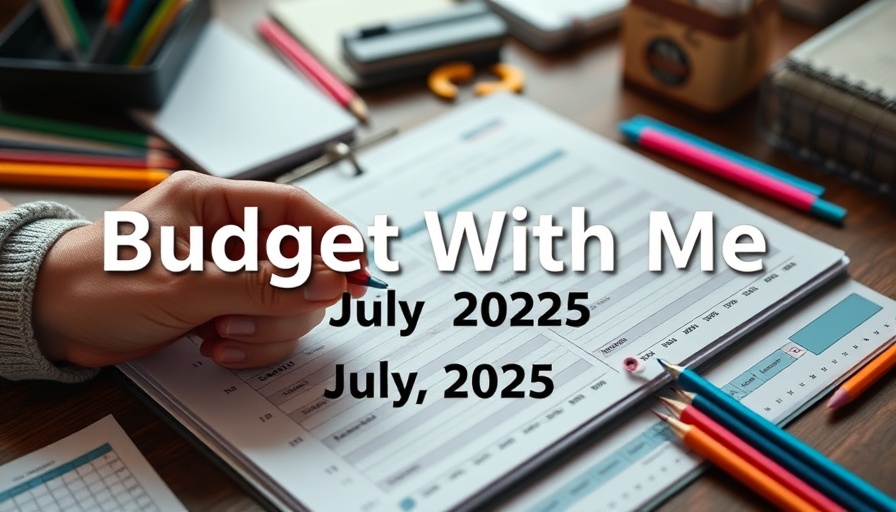
Hands organizing a budget planner for family budgeting, colorful stationery in the background.

Understanding the New Landscape of Family Budgets

As families navigate through varying economic climates, the importance of budgeting has never been clearer. Families, particularly those with young children, are often in a race against rising costs, especially in housing and daily living. In a recent video, Natalie from Rainbow Budgets and Plans shared her family’s budgeting journey for July 2025, highlighting her experiences, both inspiring and relatable, that shed light on the budgeting process amidst personal goals and major life events.

In 'Budget With Me | July 2025 | Extra Income & Wedding Savings', Natalie shares her budgeting insights that sparked deeper analysis on home finances for families.

Key Insights from July’s Budget Planning

In the video, Natalie breaks down her family's estimated income for July, showcasing an earned income of £4,000 paired with supplemental child benefits and projected savings for their wedding. This detail affirms that planning isn’t merely a numerical exercise; it's a method of strategically aligning finances with life milestones. For first-time buyers or young families, setting clear short-term and long-term goals is essential. Budgeting for factors such as an impending wedding or children's birthdays could foster both emotional investment and financial discipline, steering families toward their goals.

Balancing Expenses: Fixed vs. Variable Costs

Understanding the distinction between fixed and variable expenses is crucial for effective budget management. Natalie's breakdown of her monthly expenditures, including essential costs like groceries, travel, and school fees, alongside discretionary spending for personal enjoyment, highlights a balanced approach. Families can learn a lot from her flexibility, especially with students during school holidays. As living costs consistently rise, it’s important to reevaluate and pivot spending strategies monthly. For example, Natalie chose to funnel unspent allocations from breakfast clubs into groceries during summer. This adaptability can help families maximize their budgets and respond dynamically to changing circumstances.

The Importance of Savings: A Wedding Fund in Focus

Another remarkable element of Natalie’s July plan is her commitment to saving for significant events, such as their wedding. The choice to focus on saving now can prevent financial stress later, especially amid inevitable fluctuations in income. With the current mandated overtime employment structures in many sectors, it becomes increasingly crucial for families to have a dedicated savings plan that covers large expenses, whether they arise from life events or emergencies. As we know, unexpected costs can crop up at any time, so having a financial buffer is a strategic move toward financial security.

Emotional Perspective: The Human Side of Budgeting

Natalie's candidness about her path to achieving £1,170 from her Etsy business showcases the emotional textures of budgeting. Her appreciation for community support emphasizes that financial discussions should not be abstract, but rather driven by relationship support and personal growth. For aspiring homeowners or first-time buyers, understanding how budgeting intertwines with one's self-worth can instill confidence during a financially challenging journey. Building a support network — be it friends, family, or online communities — can offer encouragement and accountability on the road to homeowner success.

Looking Forward: Trends in Family Financial Strategies

As we peer into the future of family budgeting, trends reveal a growing emphasis on digital tools to manage finances. From spreadsheets to budgeting apps, families can now tap into resources that not only simplify the budgeting process but enhance financial literacy. As inflation affects purchasing power, understanding your financial landscape has become fundamental. Whether direct deposit into retirement accounts or reassessing spending habits in real-time, families are adapting and learning to view budgets as fluid frameworks rather than rigid lines to uphold.

Ultimately, in an era marked by unpredictability, embracing the intricacies of budgeting while sharing stories, like Natalie’s, serves as both guidance and motivation. For first-time buyers and young families, the key takeaway is simple: being proactive about your finances can engender peace of mind and potentially leverage greater outcomes when tackling the daunting mortgage landscape.

As families chart their financial paths amidst fluctuating economic themes, staying informed and engaged is essential. Take the time to write out your plans and goals and consider how you can apply these budgeting insights. Ready to take the next steps in improving your family budget? Start by assessing your expenses and make adjustments to align with your aspirations.

Savings Boost

35 Views

0 Comments

Write A Comment

*
*
Related Posts All Posts
01.22.2026

Why Understanding Market Dynamics is Crucial for First-Time Buyers

Update Is It Time to Be Concerned About a Market Correction? In recent years, the U.S. stock market has perplexed many observers by continuing to soar despite looming warnings such as tariffs, climbing national debt, and increasing inequality. But why does it seem like bad news no longer affects market performance? Let’s delve into the challenges and underlying dynamics that could signal the need for caution, particularly for first-time buyers and young families navigating a volatile economic landscape.In '2026: Time for a Market Crash?', the discussion dives into the intricate dynamics of the current market, exploring key insights that sparked deeper analysis on our end. The Allure of Overvaluation: What It Means for You The current stock market valuations are raising eyebrows, with various analysts labeling it as overvalued. An overvalued market may present risks that could affect investments, including real estate. High stock prices do not always equate to high economic strength; in fact, they can be an indicator that a downturn is imminent. For aspiring homeowners, this could impact mortgage rates and property prices, leading to potentially unfavorable borrowing conditions. Identifying Warning Signs: What Should Buyers Look For? The video sheds light on various warning signs that have plagued the economy, but we're often left questioning what to look for. Rising unemployment rates and shrinking wages can signal economic instability, even as markets continue to climb. For young families wanting to buy their first home, being aware of such indicators can help in making informed decisions about timing and financial readiness. U.S. Strengths: Underlying Forces Keeping the Market Afloat There are undeniable strengths driving the U.S. economy, such as technological advancements and consumer spending. These factors contribute to resilience in the market, providing a buffer against potential downturns. However, it’s essential for potential homeowners to remain cautious—strong economic indicators today do not guarantee stability tomorrow. The Hidden Weaknesses That Could Unravel It All While markets may seem robust, hidden weaknesses like increasing consumer debt and rising interest rates could threaten this perceived strength. As more families take on larger mortgages amidst growing property values, managing these debts becomes crucial. Neglecting such factors can lead to greater financial hardships, particularly if a downturn occurs. Understanding Other Bubbles: What Previous Patterns Teach Us The history of economic markets teaches us valuable lessons. The dot-com bubble and the housing market crash of 2008 serve as stark reminders of how quickly fortunes can flip. Aspiring homeowners should reflect on these events and consider the broader implications of buying into what could disrupt their financial future. Future Insights: What Lies Ahead for Potential Buyers? Looking ahead, many experts predict a hot housing market as new trends emerge. As inflation rises, interest rates are likely to follow suit, impacting the affordability of mortgages. For young families, understanding these trends is pivotal for making timely decisions about entering the housing market. Practical Tips for Aspiring Homeowners In this market landscape, keeping financial health in check is essential. First-time buyers should consider the following: Monitor interest rates closely to find optimal borrowing conditions. Build an emergency fund to protect against unforeseen expenses. Conduct thorough research into local housing trends and market conditions. Utilizing these strategies can empower families to take control of their financial destinies and navigate a changing market with confidence. Common Misconceptions: Navigating the Myths Around Market Crashes Many potential buyers hold misconceptions about markets and housing prices, assuming that an industry downturn equates to lower prices. However, sometimes, markets can remain high or even rise during economic slowdowns. It’s vital to look beyond surface-level assessments and understand the economic breadth when considering purchasing a home. The current economic climate necessitates prudent decision-making for aspiring homeowners. The insights gathered from exploring the unknowns of when to expect a market crash can arm buyers with knowledge. Being prepared can make all the difference as you navigate the complexities of home purchasing. Therefore, take the time to educate yourself and evaluate your options. Understanding market dynamics can not only alleviate anxiety but also help secure a stable financial future.

01.21.2026

Why is the World so Pessimistic about the Economy? Finding Hope for Aspiring Homeowners

Update The Landscape of Economic Pessimism: A Growing Concern In today's world, the collective sentiment towards the economy seems to have spiraled into a pit of pessimism. With alarming titles like 'Broken Britain' and 'It Will Get Worse' flooding our feeds, many wonder why negativity appears to overshadow hope. This article dives deep into the reasons behind this economic pessimism, exploring its implications on first-time buyers, young families, and aspiring homeowners navigating their financial journeys amidst rising property prices and inflation.In 'Why is the World so Pessimistic about the Economy?', the discussion dives into the perspectives shaping our current economic climate, prompting us to expand on its insights for aspiring homeowners. Understanding the Roots of Pessimism Pessimism about the economy isn't merely a fad; it's deeply rooted in the realities of current times. Young families, struggling with student debts and soaring housing costs, often feel overwhelmed. The rhetoric around the economy makes them question whether they can ever achieve home ownership or stable financial footing. Is their concern justified, or is it a narrative fueled by sensationalism in media? Young vs. Old: A Generational Divide It's interesting to note that economic pessimism varies significantly between generations. Younger people often express more anxiety regarding financial futures, while older generations might have experienced economic booms that shape a different viewpoint. This divide puts young buyers at a disadvantage, fearing the future while making crucial financial decisions today. The Emotional Toll on Aspiring Homeowners Buying a home is an emotional rollercoaster—especially in a climate filled with negative economic headlines. Mortgage rates, property prices, and inflation create a tumultuous environment where families feel their dreams slipping away. The emotional burden of this pessimism can be crippling, but it's essential for first-time buyers to combat this mindset with proactive strategies. Turning Pessimism into Action: Strategies for First-Time Buyers While the media paints a dire picture, there are actionable insights that can empower aspiring homeowners. Here are a few practical tips: Budget Wisely: Creating and sticking to a budget can significantly help families manage their finances, making home ownership more achievable. Educate Yourself: Knowledge is power. Understanding mortgage market dynamics can help buyers make informed decisions, rather than succumbing to fear-driven choices. Seek Support: Engaging with financial advisors or local homebuyer programs can provide crucial support and resources for navigating the complexities of home ownership. The Importance of Perspective Shift Although it’s easy to get lost in a sea of negativity, shifting perspectives can be transformative. Aspiring homeowners should focus on practical steps they can take rather than the uncertain economic landscape. Embracing a proactive mindset can inspire confidence and pave the way toward successful home ownership. Conclusion: Finding Hope Amidst Economic Challenges While the video 'Why is the World so Pessimistic about the Economy?' highlights the pervasive negative vibes in society, it raises crucial questions for first-time buyers and young families. You are not helpless in the face of economic adversity. By taking actionable steps, prioritizing education, and seeking support, families can navigate the challenges toward successful home ownership. Are you ready to take charge of your financial future? It's time to step away from the pessimistic narrative and find hope in practical actions that lead you to your dream home.

01.18.2026

Navigating Mortgages and Budgeting: Keys for Aspiring Homeowners

Update Understanding the Necessity of Budgeting in Today's Economy The recent release, I'm Back! | 2026 Binder Walkthrough & Side Hustle Cash Stuffing, dives into intriguing aspects of budgeting that resonate deeply in today's financial landscape. Families are feeling the pinch of rising property prices and inflation, making it critical to adopt effective personal finance strategies. Budgeting isn't merely about restricting spending; it's about making informed decisions that empower families, especially first-time homebuyers, to reach their financial goals.In I'm Back! | 2026 Binder Walkthrough & Side Hustle Cash Stuffing, the discussion dives into budgeting and side hustling, exploring key insights that sparked deeper analysis on our end. Personal Experiences with Financial Struggles Every financial decision comes with its share of challenges. In the video, the presenter shares personal anecdotes about navigating debt, revealing how budgeting can transform a daunting task into a manageable one. For young families, understanding how to allocate funds—whether it’s for a mortgage, children's necessities, or unexpected expenses—is paramount. This storytelling approach offers a relatable perspective that can inspire others who may be intimidated by the financial journey ahead. Strategies for Side Hustling: Extra Income for Your Family A key takeaway from the video is the concept of side hustling—an increasingly popular strategy for boosting income amid economic uncertainty. The idea of generating extra cash through various means isn’t just a trend; it’s a necessity for many families striving to achieve financial stability and home ownership. The video explores practical tips on how to start a side hustle, emphasizing creativity, skill development, and networking, which can be invaluable for aspiring homeowners. Importance of the Debt Payoff Journey Managing debt is a significant theme discussed in the video. For a family of five striving for a better future, understanding the steps to successful debt payoff is crucial. The presenter breaks down effective strategies—such as the snowball method—to eliminate debt while simultaneously saving for a mortgage. This dual approach not only lightens the financial load but also prepares families for future investments, which could lead to their dream home. Creating Savings Habits: Building a Financial Cushion Establishing a savings habit is another essential element highlighted in the video. Young families need to build a financial cushion to weather life's uncertainties. By incorporating cash stuffing techniques discussed in the video, families can allocate their finances systematically across different categories, ensuring that priority areas like emergency funds and mortgage saving goals receive the attention they deserve. Proper savings discipline can significantly ease the stress associated with rising living costs. Navigating Mortgage Options: What Every Family Should Know The idea of home ownership brings excitement but is often overshadowed by confusion regarding mortgage options. The video guides viewers through essential mortgage concepts, stressing the importance of knowing your credit score, understanding lender requirements, and the impacts of interest rates. This knowledge empowers families to make informed decisions when selecting a mortgage, ensuring they choose the best pathway toward home ownership. Embracing Financial Independence as a Family Goal The discussion in I'm Back! | 2026 Binder Walkthrough & Side Hustle Cash Stuffing serves as a reminder that financial independence is a journey best taken together as a family. Sharing experiences, discussing goals, and fostering an environment of financial literacy can significantly improve a family's chances of success. Cultivating these habits and attitudes early can pave the way toward a brighter, more secure future. In conclusion, as first-time buyers and young families navigate the complexities of mortgages and financial planning, embracing the principles discussed in this video can illuminate the path forward. Whether it’s through budgeting, side hustling, or prioritizing savings, the strategies presented offer not only a way to survive financially but also to thrive. If you’re keen on becoming more financially savvy and achieving your home ownership dreams, consider adopting these insights into your family’s financial journey.

Terms of Service

Privacy Policy

Core Modal Title

Sorry, no results found

You Might Find These Articles Interesting

T
Please Check Your Email
We Will Be Following Up Shortly
*
*
*